


The Best Painting Equipment for house painters
November 15, 2022
You need to complete a painting project, and you want to do it well. What painting tools will thus facilitate an easier, quicker, and better job for you? Look nowhere else.
You need to complete a painting project, and you want to do it well. What painting tools will thus facilitate an easier, quicker, and better job for you? Look nowhere else.
Given the wide variety of options available, picking the best painting tools can be difficult. The number of painting tools you have does not, however, determine how well each piece of equipment performs. Therefore, the focus of this article is on crucial painting tools.
By the time you finish reading this article, you will be aware of the specific painting supplies you require to produce paintings of a professional caliber.
Let's get started.
Four essential painting tools
The best painting tools make the process easier and more seamless and perfect. Let's examine the best painting tools you'll need for a professional painting job.
Plaster tape
Specific areas that you don't want painted are best sealed with painter's tape. Depending on the kind of surface, it is available in various forms. Therefore, it is best to determine the kind of surface you want to paint before selecting the appropriate painter's tape.
You can paint with more efficiency and polish if you use painter's tape. Additionally, it spares you the stress of having to clean numerous surfaces after painting. However, the duration of the painting will determine how effective your painting tape will be. Its width and adhesion power are equally important.
The length of time your tape will last without slicing or harming the surfaces depends on how well it adheres to those surfaces. So, look for the manufacturer's instructions on the product's label.
The best tape width to use is also determined by the kind of surface you want to paint. For instance, 0.94 inches work best for corners and other detailed areas while 1.41 and 1.88 inches are best for blocking off windows when painting walls. To achieve the best results, take these factors into account when selecting a painter's tape.
Paint rollers in different sizes
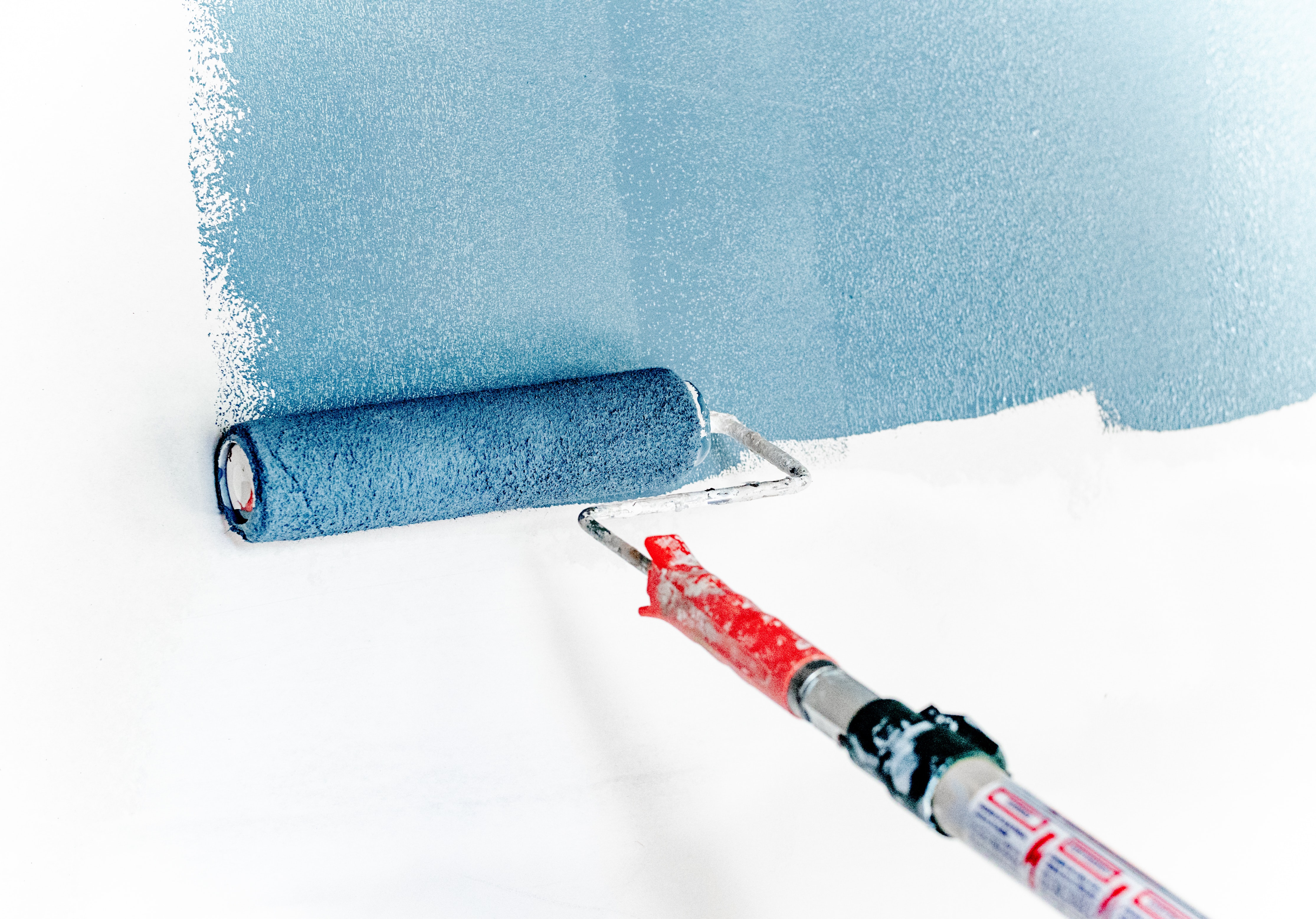
If you want to paint a large surface, you will need a paint roller. While a paintbrush works well for painting edges, a paint roller makes it easier to quickly and evenly cover a larger portion of the surface. You'll receive a smooth finish devoid of brushstrokes or patches.
There are numerous types of paint rollers available. But if you want a flawless painting outcome, you must opt for the best. Therefore, pick a paint roller with a roller frame that is simple to grip. The top roller frames have threaded rod grips and an ergonomic handle with ball bearings.
Your goals and level of experience will influence the roller length you choose. For DIY projects, for instance, 9-inch rollers are excellent. Twelve-inch rollers are frequently used by professionals, and six or seven-inches are ideal for small furniture.
A paint roller is ultimately a necessity for smooth, big surfaces. Therefore, choose it if you want the desired outcomes.
Paint brushes
Paint rollers and brushes are both necessary tools. Although they can cover large areas, paint rollers aren't the best for corners. Therefore, paint brushes fill in the smaller, more intricate spaces that a paint roller can't reach.
The type of paint to use will determine the brush to use. While polyester brushes are ideal for latex paints, natural-bristle brushes are made for oil-based paints. Therefore, bear this in mind when selecting a paintbrush for your project.
Painter's tape
To make a guard that stops the brush or roller from smearing on areas you don't want to paint, use a paint edger. They enable tidy outcomes around the window, door, or ceiling trim.
Instead of using painter's tape, you could use them to cover the edges of the windows, the ceiling, and other areas where you don't want the paint to smear.
Keep in mind the size and construction of the paint edgers. The size is determined by the width of the paint strip.
For materials, oil-based paints can be edged with edgers with natural bristles and fiber covers. On the other hand, water-based latex and acrylic paints work really well with edgers made of synthetic materials. Choose an edger that is appropriate for the type of paint you are using to prevent staining your painting.
Select sturdy equipment for your upcoming painting jobs
Using high-quality painting tools will help you get the results you want from your painting project. They provide you with smooth, crisp, and clean finishings. For the best results, therefore, take into account the tools covered in this article. Make sure, though, that their dimensions, lengths, materials, etc., are suitable for your objectives.